


Undergraduate


Curriculum
Educational Goals
The School of Biomedical Engineering at Korea University provides a structured and interdisciplinary curriculum designed to cultivate professionals capable of leading the advanced biomedical engineering industry.
- Develop well-rounded professionals with both theoretical knowledge and technical expertise in biomedical engineering
- Foster creative experts with strong interdisciplinary integration and collaboration skills
- Train global biomedical engineers capable of understanding clinical needs and developing cutting-edge technologies
Educational Competency
| Category | Ratio(%) | Description |
|---|---|---|
| 1. Basic Sciences | 40% | Foundational education in physics, chemistry, and biology |
| 2. Biomedical Engineering Fundamentals | 30% | Core engineering principles and applications based on basic sciences |
| 3. Biomedical Engineering Applications | 30% | Practical application of interdisciplinary and convergent biomedical technologies |
| Category | Description |
|---|---|
| 1. Microtechnology | Principles and applications of micro-scale biomedical devices |
| 2. Nanotechnology | Principles and applications of nano-scale biomedical devices |
| 3. Biomedical Optics | Optical systems for medical applications |
| 4. Biomaterials | Types and interactions of biomaterials with the human body |
| 5. Medical Electronics | Principles of medical electronic devices |
| 6. Medical Imaging | Principles of imaging systems used in medicine |
| 7. Tissue Engineering | Biological principles for tissue regeneration |
| 8. Biomechanics | Mechanical principles of the human body |
| 9. Medical Physics | Principles of diagnostic and therapeutic medical devices |
| 10. Convergence Technologies | Integration of multidisciplinary scientific and engineering principles |
Biomedical Devices
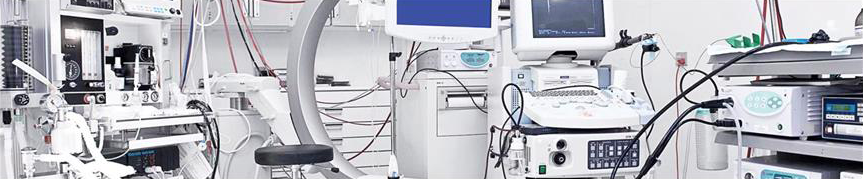
- Diagnostic Devices : Blood pressure monitors, glucose meters, ECG devices
- Therapeutic Devices : Artificial hearts, insulin pumps, neural stimulators
- Monitoring Devices : Wearable systems for continuous patient monitoring
- Biosignal Processing : Acquisition, analysis, and interpretation of biological signals
Biomaterials

- Development of biocompatible materials
Medical Sensors

- Biosensors and imaging sensors
Medical Robotics

- Surgical and rehabilitation robots
Artificial Organs & Prosthetics

- Artificial Heart, Prosthetic Limbs, etc.
Biomedical Imaging

- Medical Imaging Device Development : MRI, CT, Ultrasound, X-ray, PET, etc.
- Image Processing & Analysis : Image quality enhancement, lesion identification, measurement derivation
- Functional Imaging : Evaluation of brain activity (fMRI) and tissue structure (DWI)
Molecular Imaging

- Visualization of changes at the cellular and molecular levels
Image-Guided Therapy

- Support for surgery and radiation therapy with real-time imaging
AI & Machine Learning

- Imaging data analysis, automated diagnosis, and disease prediction
Cell and Tissue Engineering
- Tissue Engineering
- Cell Culture
- Biomaterials & Material Analysis
Cell Therapy

- Development of regenerative therapies using stem cells
- Cell transplantation technology
- Cellular therapeutic
Bioprinting

- 3D printing of tissues and organs
Tissue Modeling

- Simulation of human tissue structures
Computational Bioengineering
Biomechanics

- Musculoskeletal modeling, blood flow and respiration studies
Bioinformatics

- Gene analysis, protein structure and interaction prediction
Systems Biology

- Metabolic pathways and intercellular signaling networks
Curriculum
| Core educational competency | Relevant course name | ||
|---|---|---|---|
| 1. Basic Science | General Physics & Practice I, II | General Chemistry & Practice | Life Science |
| Calculus & Practice I, II | Organic Chemistry | Physical Chemistry | |
| Biochemistry | Medical Physics | Anatomy | |
| Physiology | Molecular Biology | Cell Biology | |
| Engineering Mathematics I, II | Biomedical Data Science | Biomedical Applications of Numerical Analysis | |
| Biomedical Statistics | |||
| 2. Fundamentals of Biomedical Engineering | Introduction to Biomedical Engineering | Circuit Theory | Electronic Circuits |
| Biomechanics | Biofluid Mechanics | Programming for Biomedical Engineering | |
| Fundamentals of Optics | Biomedical Engineering Lab I | Biomedical Engineering Lab II | |
| Biomedical Engineering Lab III | Medical Imaging | ||
| 3. Biomedical Engineering Applications | Medical Image Processing | Modern Radiation Therapy | Neural and Brain Engineering |
| Biosignal Processing | Bio-information Measurement | Biocompatibility | |
| Medical Industry Regulations and Corporate Analysis | Biomaterials | Biomedical Materials Processing | |
| Medical Device Regulations and Laws | Biophotonics | Bioinformatics | |
| Artificial Bio-organs | Bio Micro/Nano Devices | Biomedical Big Data | |
| Biomedical Artificial IntelligenceⅠ | Biomedical Artificial IntelligenceⅡ | Biomedical Engineering Project (Capstone Design) Ⅰ, Ⅱ | |
| Internship in Biomedical Engineering Ⅰ, Ⅱ | Special Topics in Biomedical Engineering Ⅰ, Ⅱ | Semiconductor Processing for Biomedical Engineering | |
| Bionanomaterial Delivery | Digital Systems | Biological Delivery Systems | |
| Classification | Course Code | Course Name | Credits | Hour(s) | Semester Offered | Prerequisites | ||
|---|---|---|---|---|---|---|---|---|
| Theory | Experiment (Hands-on Experiment) | Practical Skill | ||||||
-
RequiredBMED202Engineering Mathematics II33002nd SemesterEngineering Mathematics I
-
ElectiveBMED205Engineering Mathematics I33001st Semestert
-
ElectiveBMED208Biofluid Mechanics33001st Semestert
-
ElectiveBMED211Biomechanics33002nd Semester
-
ElectiveBMED212Fundamentals of Optics33001st Semestert
-
ElectiveBMED215Anatomy33001st Semestert
-
ElectiveBMED217Circuit Theory33001st Semestert
-
ElectiveBMED218Physiology33002nd SemesterAnatomy
-
ElectiveBMED219Organic Chemistry33001st Semestert
-
ElectiveBMED223Programming for Biomedical Engineering33001st Semestert
-
ElectiveBMED224Physical Chemistry33002nd Semester
-
ElectiveBMED228Introduction to Biomedical Engineering33001st Semestert
-
ElectiveBMED230Electronic Circuits33002nd SemesterCircuit Theory
-
ElectiveBMED301Biochemistry33001st Semestert
-
ElectiveBMED303Molecular Biology33001st Semestert
-
ElectiveBMED306Cell Biology33002nd Semester
-
ElectiveBMED307Biological Delivery Systems33002nd Semester
-
ElectiveBMED309Medical Imaging33002nd Semester
-
ElectiveBMED311Biosignal Processing33001st Semestert
-
ElectiveBMED312Bio-information Measurement33002nd SemesterCircuit Theory, Biosignal Processing
-
ElectiveBMED313Biomaterials33001st Semestert
-
ElectiveBMED318Medical Image Processing33002nd Semester
-
ElectiveBMED321Digital Systems33001st SemestertElectronic Circuits, Circuit Theory
-
RequiredBMED323Biomedical Engineering Lab Ⅰ20401st SemestertCircuit Theory, Electronic Circuits
-
ElectiveBMED325Biomedical Data Science33001st SemestertProgramming for Biomedical Engineering
-
RequiredBMED326Biomedical Engineering Lab Ⅱ20402nd SemesterBiomaterials
-
ElectiveBMED328Numerical Analysis for Biomedical Applications33001st Semestert
-
RequiredBMED329Biomedical Engineering Lab Ⅲ20401st SemestertFundamentals of Optics, Medical Imaging
-
ElectiveBMED330Biomedical Materials Processing33002nd Semester
-
ElectiveBMED332Bioinformatics33001st Semestert
-
ElectiveBMED334Medical Physics33002nd Semester
-
ElectiveBMED336Biomedical Big Data32202nd Semester
-
ElectiveBMED403Biophotonics33001st SemestertFundamentals of Optics
-
ElectiveBMED404Neural and Brain Engineering33002nd Semester
-
ElectiveBMED415Bionanomaterials Delivery33001st Semestert
-
ElectiveBMED419Biocompatibility33001st Semestert
-
ElectiveBMED420Biomedical Statistics33002nd Semester
-
ElectiveBMED422Artificial Bio-organs33002nd Semester
-
ElectiveBMED423Modern Radiation Therapy33001st Semestert의학물리
-
ElectiveBMED424Special Topics in Biomedical Engineering Ⅱ11002nd Semester
-
ElectiveBMED429Bio Micro/Nano Devices33001st SemestertBio-information Measurement
-
ElectiveBMED431Special Topics in Biomedical Engineering Ⅰ11001st Semestert
-
ElectiveBMED432Medical Device Regulations and Technology Commercialization33001st Semestert
-
ElectiveBMED433Biomedical Engineering Project (Capstone Design) Ⅰ32201st Semestert
-
ElectiveBMED434Biomedical Engineering Project (Capstone Design) Ⅱ32202nd Semester
-
ElectiveBMED435Biomedical Artificial Intelligence Ⅰ33001st Semestert
-
ElectiveBMED436Medical Robotics33002nd SemesterEngineering Mathematics Ⅱ
-
ElectiveBMED438Biomedical Artificial Intelligence Ⅱ32202nd Semester
-
ElectiveBMED440Healthcare Industry and Business Models33002nd Semester
-
ElectiveBMED442Semiconductor Processing for Biomedical Engineering33002nd SemesterCircuit Theory, Electronic Circuits, Bio Micro/Nano Devices
-
ElectiveCOOPField Practice / Internship120002nd Semester
Course Schedule
| Category / Description | Course code | Course name | Credits (Hours) | 1st year | 2nd year | 3rd year | 4th year | |||||
|---|---|---|---|---|---|---|---|---|---|---|---|---|
| I | II | I | II | I | II | I | II | |||||
| Required liberal arts | Exploration of the World of Knowledge | GELI005 | Exploration of the World of Knowledge I | 3(3) | ● | International undergraduate students admitted from 2024 onward must take GELI007 Exploration of the World of Knowledge I (International Class) and Writing (International Class) | ||||||
| Writing | GEWR002 | Writing | 3(3) | ● | ||||||||
| Academic English | IFLS800 | Academic English I | 2(2) | ● | Students who achieve the "Advanced" level on the Freshman English Proficiency Test are exempt from this requirement. | |||||||
| First-Year Seminar | GEKS007 | First-Year Seminar I | 1(1) | ● | ||||||||
| GEKS008 | First-Year Seminar II | 1(1) | ● | |||||||||
| Digital & SW | GECT002 | Basic SW Programming | 3(3) | ● | ||||||||
| GECT003 | Data Science and Artificial Intelligence | 3(3) | ● | |||||||||
| BT | GEBT001 | World of Life Science | 3(3) | ● | ||||||||
| Total | 19 | |||||||||||
| Elective liberal arts | Basic Sciences | CHEM150 | General Chemistry & Practice | 3(3) | ● | |||||||
| CHEM155 | General Chemistry Lab | 1(3) | ● | |||||||||
| PHYS151, 152 | General Physics & Practice I, II | 6(6) | ● | ● | ||||||||
| PHYS161, 162 | General Physics Lab I, II | 2(6) | ● | ● | ||||||||
| MATH161, 162 | Calculus & Practice I, II | 6(6) | ● | ● | ||||||||
| LIBS150 | Life Science | 3(3) | ● | |||||||||
| Basic Major | Required | 5 | ||||||||||
| Elective | 37 | |||||||||||
| Total | 42 | |||||||||||
| Advanced Major | Required | - | ||||||||||
| Elective | 36 | |||||||||||
| Total | 36 | |||||||||||
| General Electives | Remaining credits required to reach 130 credits after completing liberal arts and major requirements | |||||||||||
|
Total Graduation Requirement Credits |
130 | |||||||||||
| Notes | 1) According to Article 7 of the “Enforcement Regulations on Academic Management for International Undergraduate Students,” students admitted from the second semester of the 2017 academic year onward are exempt from foreign-language course requirements and from submitting certifications in foreign language proficiency, Korean language proficiency, and Chinese character comprehension. | |||||||||||
| Major Classification | Course Classification | Course Code | Course Name | Credits | Prerequisites | Notes |
|---|---|---|---|---|---|---|
| Dual major | Completion of 5 credits in Major Required and at least 40 credits in Major Elective courses. | |||||
| Double major | Completion of 5 credits in Major Required and at least 66 credits in Major Elective courses. | |||||
| Transfer (Bachelor’s Entry) | Completion of 5 credits in Major Required and at least 66 credits in Major Elective courses. | |||||